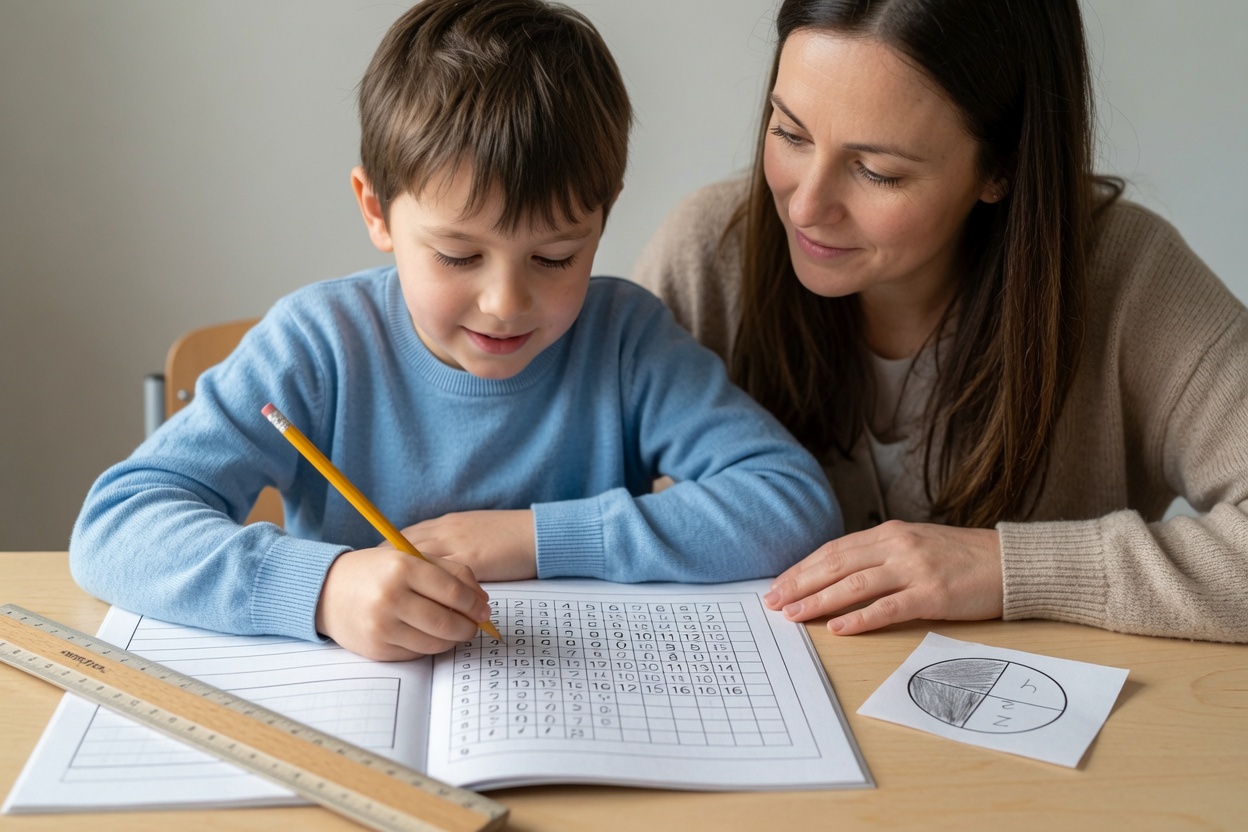

For about two years, 7pm in our house meant the same standoff. Maths book out, shoulders up, and a negotiation that left everyone a little frayed. I told myself it was discipline. It was actually a design problem.
Why the nightly battle never works
The trouble with "do your homework now" is that it asks a tired child to summon motivation at the worst possible moment of the day. We were relying on willpower — theirs and ours — to do a job that structure should be doing. And willpower, as any parent at bath time knows, is in short supply by evening.
Worse, the negotiation itself was teaching the wrong lesson: that practice is a thing to be bargained down, endured, escaped. None of that builds a habit. It builds an aversion.
We weren't fighting about maths. We were fighting about the fact that nothing about the moment was set up to succeed.
The one change that worked
We stopped treating practice as a negotiation and made it a fixed, tiny, predictable ritual. Three rules:
- Same time, every day. Right after breakfast, not after a long school day. The decision was made once, not re-litigated nightly.
- Short enough to feel easy. Fifteen minutes. Knowing there’s a clear end makes starting painless.
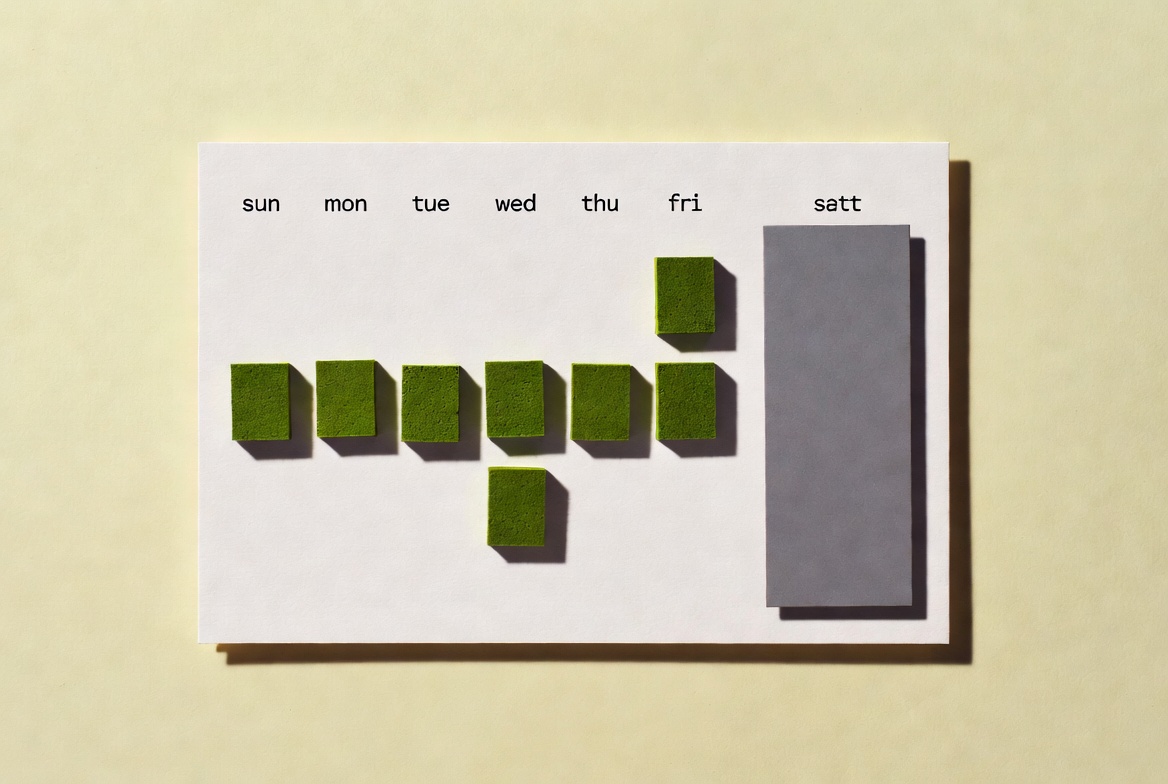
- The child owns the streak, not me. The moment it became their run of days to protect, my role shrank from enforcer to spectator.
The first week was bumpy. By week three, my daughter was opening the app before I'd finished my coffee — not because I asked, but because she didn't want to break the chain.
Why habits beat motivation
This isn’t a personality thing or a lucky-child thing. Decades of behaviour research point the same way: consistency comes from cues and friction, not from pep talks. Make the right thing small, obvious and the same every day, and it stops costing willpower. Make it a vague, large, moveable obligation, and you'll negotiate forever.
The practice itself matters too, of course. Fifteen minutes of the right questions — adapted to where your child actually is — does more than an hour of a generic worksheet. (More on why little-and-often wins in a separate post.)
What you can try this week
If your evenings sound like ours used to, try moving practice out of the evening entirely, shrinking it to something almost embarrassingly small, and handing your child something concrete to protect — a streak, a chart, a plant that grows. Then get out of the way.
It won't be perfect by Friday. But the war can end a lot sooner than you think.