
Ask most parents how to help a child get better at something and the instinct is the same: do more of it, for longer. A century of memory research says the opposite is closer to the truth.
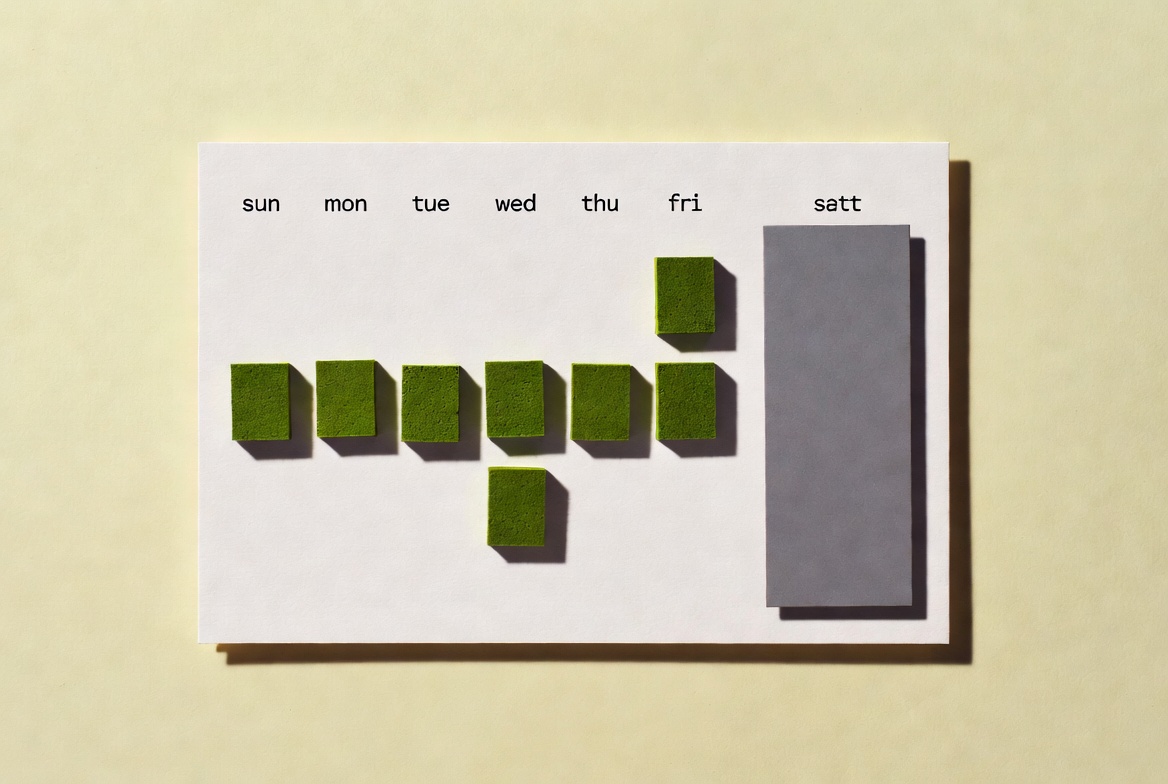
The spacing effect is one of the most reliably replicated findings in cognitive science. The same total practice, broken into short sessions spread across days, sticks far better than one long block. Each time a child returns to a topic after a gap, the small effort of recalling it strengthens the memory — an hour in one sitting never gives the brain that chance.
Fifteen minutes a day is not a compromise you settle for when life is busy. For most primary-age children it is genuinely the better dose: long enough to make progress, short enough to finish without a fight, and frequent enough to let spacing do the heavy lifting.